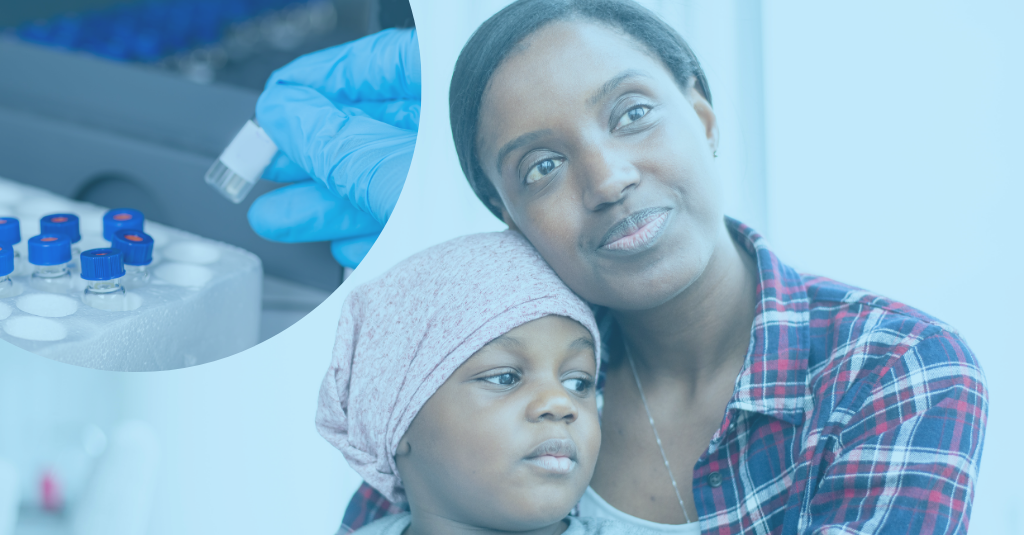
Introduction: The Urgent Need for Cancer Treatment in Africa
Cancer is rapidly becoming one of Africa’s most pressing health challenges. In Uganda alone, thousands of new cancer cases are reported each year, but access to timely and effective treatment remains limited. Many patients cannot afford or access the medicines they need.
To address this crisis, local pharmaceutical innovation is essential. Dei Biopharma — a state-of-the-art biopharmaceutical facility in Uganda — is building the capacity to research, develop, and manufacture oncology drugs right here on African soil.
But how exactly does a cancer drug go from lab research to life-saving medicine? This article breaks down the process step by step.
Step 1: Research & Discovery
Every cancer drug starts with a question: how can we stop cancer cells from growing, spreading, or mutating?
Researchers begin by studying how specific cancers behave at the molecular level. They screen thousands of chemical compounds or biological agents to find candidates that might affect cancer cell behavior. This discovery phase can take years and involves both manual laboratory work and computer-aided drug design.
For example, scientists may look for agents that can:
- Block cancer cell receptors
- Inhibit enzymes involved in cell growth
- Activate the body’s immune system to target tumors
Only a small number of compounds show enough promise to move forward.
Step 2: Preclinical Testing
Before human testing begins, potential drugs must pass preclinical trials — a stage where they are tested in lab environments and on animals.
Objectives of preclinical testing include:
- Confirming the drug’s safety
- Understanding how it is absorbed, distributed, and eliminated by the body
- Studying side effects or toxic reactions
These studies follow international ethical guidelines and are necessary to meet regulatory requirements before human trials.
Dei Biopharma’s integrated R&D environment is designed to support early-stage drug characterization, testing, and documentation — all in compliance with WHO and FDA standards.
Step 3: Clinical Trials (Human Testing)
Once a compound shows safety in preclinical trials, it moves into clinical trials — the phase where human volunteers are involved.
Clinical development is divided into three major phases:
Phase I – Safety & Dosage
A small group of healthy individuals (or patients, in some oncology studies) receive the drug to determine the safest dose and identify any immediate side effects.
Phase II – Efficacy & Side Effects
The drug is tested on a larger group of cancer patients to evaluate how well it works and to monitor short-term side effects.
Phase III – Large-Scale Testing
Thousands of patients may be involved at this stage, sometimes across different countries. Researchers compare the new treatment against standard therapies to confirm its effectiveness and safety profile.
Dei Biopharma’s compliance with global Good Manufacturing Practices (GMP) ensures that drugs used in these trials are produced under controlled and sterile conditions.
Step 4: Regulatory Approval
After successful clinical trials, the data is compiled into a regulatory submission. In Uganda and many African countries, this may involve coordination with the National Drug Authority (NDA), the World Health Organization (WHO), or other regional agencies.
The application includes:
- Clinical trial results
- Manufacturing protocols
- Risk assessments
- Packaging and labeling data
Dei Biopharma’s adherence to FDA, EMA, and WHO regulatory frameworks increases the chances of faster approval and wider international acceptance.
Step 5: Manufacturing & Distribution
Once approved, the drug must be manufactured at scale and delivered to hospitals, pharmacies, and healthcare providers. This is where local facilities like Dei Biopharma offer a major advantage.
Benefits of local manufacturing include:
- Lower production and transport costs
- Faster delivery to patients
- Emergency supply responsiveness
- Better availability in rural and underserved areas
Dei Biopharma’s cutting-edge facility in Matugga includes:
- Cleanrooms for sterile production
- On-site quality control laboratories
- High-volume packaging units
This allows Uganda to produce world-class oncology treatments that meet global standards without relying on overseas factories.
Why Local Oncology Drug Development Matters
Africa has long been dependent on imported cancer medications, often facing:
- Stockouts or delays
- High prices
- Poor temperature-controlled logistics
Local research and manufacturing break that cycle. It enables Uganda to:
- Tackle diseases based on regional cancer patterns
- Train the next generation of African biopharma professionals
- Contribute to global cancer innovation, not just consume it
Dei Biopharma is helping to create a sustainable healthcare future — one where Africa takes control of its pharmaceutical destiny.
Conclusion: Hope Begins at Home
The process of developing an oncology drug is long, costly, and complex — but every step brings us closer to saving lives.
By investing in local research, clinical capacity, and manufacturing infrastructure, Uganda is becoming a beacon of healthcare innovation in Africa.
Dei Biopharma’s work in oncology drug development is more than just science — it’s a mission to bring hope, healing, and empowerment to millions.
To learn more about Dei Biopharma’s research and oncology manufacturing capabilities, visit our Services page or Contact Us directly.